Adhesive Wear in Machinery: Causes, Detection and Prevention with Proper Lubrication
March 12, 2026
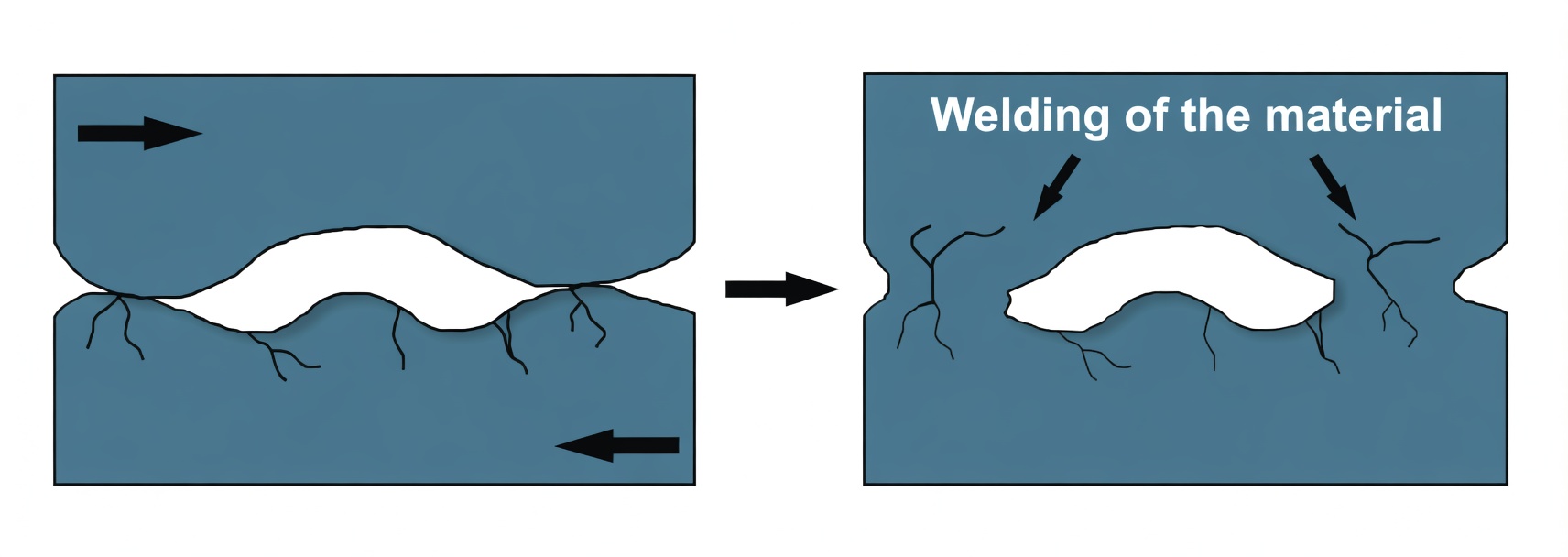
When lubrication film thickness is inadequate, microscopic surface peaks of metal components interact strongly. This interaction can cause what is known as cold welding, where surfaces temporarily fuse together and then tear apart during motion. The result is progressive surface damage that can lead to serious mechanical failure.
Two key factors largely influence adhesive wear:
- The natural tendency of certain materials to bond when they come into contact
- The cleanliness and condition of the interacting surfaces
Additional factors also contribute to adhesive wear, including lubricant film thickness, additive chemistry, component size, operating load and equipment speed.
Main Causes of Adhesive Wear
Several operating conditions can accelerate adhesive wear:
- Excessive or insufficient mechanical load
- High temperature and pressure conditions
- Rapid acceleration or deceleration of machinery
- Moisture contamination within the system
- These conditions increase friction and reduce the effectiveness of the lubricant film separating metal surfaces.
- Equipment Components Most Affected
Adhesive wear is frequently observed in:
- Rolling bearings
- Cylinders
- Gears
- Pistons
Without proper lubrication protection, these components can suffer severe surface damage that compromises machine reliability.
Stages of Adhesive Wear Development
Adhesive wear typically progresses gradually through three stages.
Initial wear often appears during equipment break-in periods and may look like mild polishing of surfaces. Although not easily visible, micro-cracks may begin forming.
Moderate wear becomes visible as dark marks or lines on components. In some cases, heat generated by friction may cause blue discoloration on metal surfaces.
Severe wear results in heavy metal transfer and smeared surfaces. Cracks, pitting and excessive material loss may occur, significantly increasing the risk of equipment failure.
Detecting Adhesive Wear
Several diagnostic methods help identify adhesive wear in machinery:
- Visual inspection during maintenance shutdowns
- Endoscopic inspections for detailed internal component analysis
- Lubricant oil analysis to monitor wear metals and additive depletion
- Monitoring lubricant condition and wear particles allows maintenance teams to detect early warning signs and prevent critical failures.
Preventing Adhesive Wear
Preventing adhesive wear begins with proper equipment operation and lubrication management. Selecting the right lubricant with adequate film strength and performance additives is essential for protecting metal surfaces.
Other preventive measures include:
- Controlling loads and operating temperatures
- Ensuring proper equipment alignment
- Preventing moisture contamination
- Performing regular oil analysis and predictive maintenance
Using high-quality lubricants such as Aminol industrial oils helps maintain optimal lubrication film thickness and reduces metal-to-metal contact, extending equipment life and improving operational reliability.
LATEST NEWS
In the spring of 2025, Aminol introduced API SQ-compliant engine …
A New Era in Engine Protection and Efficiency
Read more
Modern engines are engineered for power, efficiency, and low emissions, …
Why SAPS Levels Matter - Aminol's Insights
Read more
Why Modern Engine Oils Need More Than Base Oil
Engine …